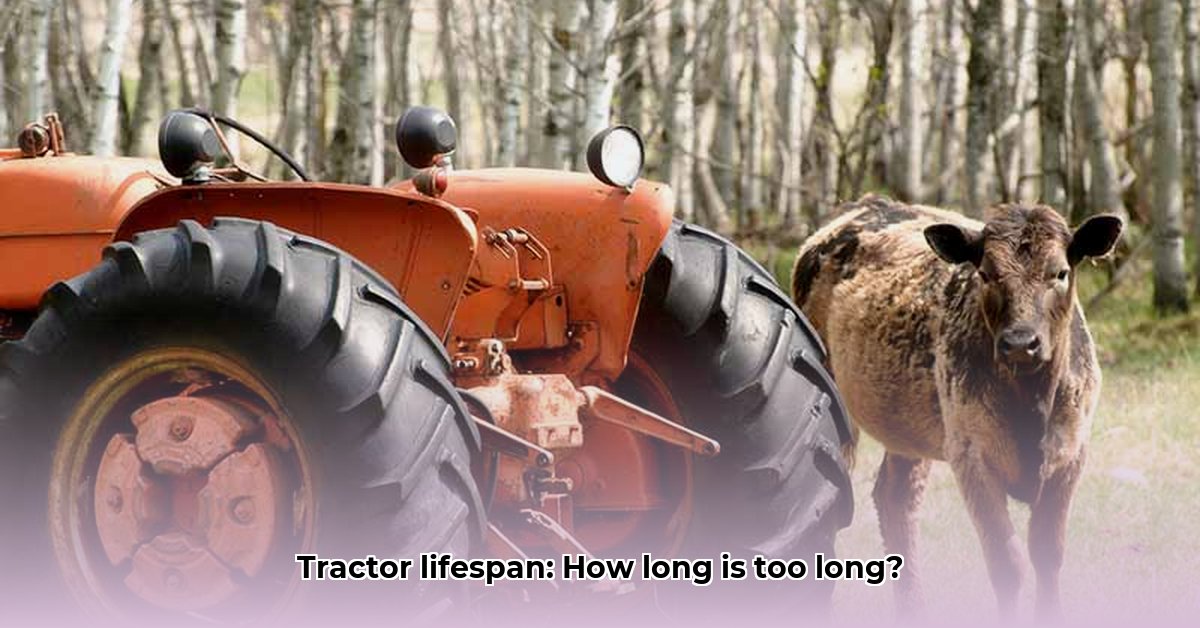
So, you're wondering how many hours on a tractor is "too many"? Forget the magic number – there isn't one! A tractor's lifespan isn't solely determined by its hour meter; maintenance, operating conditions, and overall condition are paramount. For more information on tire care, check out this helpful guide on tractor tire sizes. This guide will equip you with the knowledge to assess a used tractor and maintain your own for peak performance and longevity.
Factors Affecting Tractor Lifespan
Several key factors influence how long your tractor will last, far outweighing the simple hour count.
1. Maintenance Practices: The Foundation of Longevity
Regular maintenance is the cornerstone of a long-lasting tractor. Think of it as preventative medicine—far cheaper than costly repairs. This includes:
- Oil Changes: Follow your owner's manual for recommended intervals (typically every 50 hours or annually, whichever comes first). Use the correct oil type. Failing to do this is a major contributor to premature engine wear.
- Filter Replacements: Regularly replace air, fuel, and oil filters. Clogged filters restrict flow, causing reduced efficiency and potential damage.
- Fluid Checks: Regularly check coolant, hydraulic, and transmission fluid levels. Low levels lead to overheating and component failure.
- Component Inspections: Regularly inspect belts, hoses, and other components for wear and tear. Replace worn parts promptly.
Example: A farmer meticulously following a maintenance schedule reported significantly fewer breakdowns and extended their tractor's operational life by over 30%.
2. Operating Conditions: Environmental Impact
Harsh environments significantly accelerate wear and tear. Extreme temperatures, dusty conditions, and prolonged idling all reduce lifespan.
- Extreme Temperatures: Operating in extreme heat or cold puts added stress on engine components and fluids.
- Dust and Debris: Dust can clog filters and damage internal engine components, while mud and debris can impair functionality.
- Heavy Loads and Intense Usage: Always operate the tractor within its rated capacity. Overloading significantly shortens its lifespan.
Example: Tractors operating in arid climates require more frequent filter changes due to dust accumulation.
3. Engine Type: Diesel vs. Gasoline
Diesel engines are generally more durable than gasoline engines, offering longer lifespans. However, this is a broad generalization impacted by maintenance and quality factors.
Example: While diesel engines offer inherent benefits, proper maintenance is crucial regardless of fuel type.
4. Operator Skill: Driving Habits Matter
Skilled operators extend tractor lifespan. Rough handling, improper use, and aggressive driving habits accelerate wear and tear.
Assessing a Used Tractor: A Step-by-Step Guide
Buying a used tractor? Don't rely solely on the hour meter. Here's a comprehensive approach:
Professional Inspection: Hire a qualified mechanic for a thorough inspection to identify potential problems. This step alone can save you thousands.
Service Records Review: Thoroughly examine service records. Incomplete records or evidence of neglected maintenance are significant red flags.
Visual Examination: Look for signs of corrosion, leaks, and wear and tear. A well-maintained tractor will show fewer outward signs of wear.
Test Drive: Operate the tractor to assess performance. Listen for strange noises and pay attention to the response of various components.
Price Negotiation: Negotiate a fair price that reflects the tractor's condition and any needed repairs.
Preventative Maintenance Schedule: A Proactive Approach
A proactive approach to maintenance is crucial:
- Daily: Check fluid levels, visually inspect belts and hoses.
- Every 50 Hours/Annually (whichever comes first): Change engine oil and filter; replace air filter.
- Every 100 Hours/Semi-Annually: Inspect fuel filter; check tire pressure.
- Every 250 Hours/Annually: Change hydraulic oil and filter; grease lubrication points.
- Annually: Professional inspection and service.
Conclusion: Condition Trumps Hours
The key takeaway? A well-maintained tractor, regardless of hours, will outperform a neglected one. Prioritize regular maintenance and thorough inspections. This proactive approach ensures longevity and maximizes your return on investment.